Friday, May 30, 2014


Management Guidelines for Thrombocytopenia in Critically Ill

In general, the management of thrombocytopenia is to treat the underlying cause. However, platelet transfusions may be considered if there is active bleeding or if a procedure with bleeding risk is required. The following guidance may be followed for practical purposes:

If platelet count is below 10 × 109/L, one adult dose of platelets may be transfused.

If the platelet count is below 20 × 109/L and patient is septic or very ill, one adult dose of platelets may be       transfused (in these clinical situations, increased platelet consumption can occur).

If the platelet count is below 30 × 109/L and the patient is bleeding, one adult dose of platelets may be transfused.

If the platelet count is over 30 × 109/L, platelet transfusion is avoided unless:
   Patient requires an interventional procedure (threshold is most often 50 × 109/L).
   Patient requires anti-platelet agent (threshold is 50 × 109/L).

In certain conditions like TT P and heparin-induced thrombocytopenia, platelet transfusions are best avoided unless active and life-threatening bleeding occurs.

REFERENCE:
Haematology in Critical Care: A Practical Handbook, First Edition. Edited by Jecko Thachil and Quentin A. Hill.

Thursday, May 29, 2014


                                        Bite Wounds

One of every two Americans will be bitten by an animal or by another person at some point. Bites account for approximately 1% of all visits to emergency rooms. Eighty to ninety percent of these types of wounds are dog bites, 5% to 10% are cat bites, 2% to 3% are human bites, and 2% to 3% others (rats, hamsters, etc.). Cat bites have the highest infection rate, human bites are second, and dog bites are third.

Human bites have been shown to transmit hepatitis B, hepatitis C, herpes simplex virus (HSV), syphilis, tuberculosis, actinomycosis, and tetanus. Evidence suggests that it is biologically possible to transmit the human immunodeficiency virus (HIV) through human bites, although this is quite unlikely.

All bite wounds should receive proper wound inspection, debridement, and irrigation. Bite wounds, for the most part, should not be sutured closed. If these wounds need to be closed, the procedure can be accomplished in a delayed manner within 2 to 4 days. Consider x-rays for evaluation of deep structures and retained foreign bodies. Antibiotics should be prescribed for most bite wounds, such as penicillin and a cephalosporin. If a patient is allergic to penicillin, consider erythromycin and tetracycline. Advise frequent follow-up visits to inspect the wound for infection.

Wednesday, May 28, 2014

Thrombocytopenia as Prognostic Indicator in ICU

The degree of thrombocytopenia has been regarded as a marker of illness severity in critically ill patients. A lower platelet count on admission to ICU correlates with higher Simplified Acute Physiology Scores (SAPS), Multiple Organ Dysfunction Scores (MODS) and Acute Physiology and Chronic Health Evaluation (APACHE) scores than those with normal platelet counts. It is also an independent predictor of mortality in ICU with the severity of thrombocytopenia being inversely related to survival. A four- to six-fold increase in mortality has been reported if the platelet count is reduced by more than 50% during ICU admission or if the thrombocytopenia is sustained for more than 4 days. Thrombocytopenia has also been associated with longer hospital and ICU stays.

Reference:

Haematology in Critical Care: A Practical Handbook, First Edition. Edited by Jecko Thachil and Quentin A. Hill.
© 2014 John Wiley & Sons, Ltd. Published 2014 by John Wiley & Sons, Ltd.

Tuesday, May 27, 2014

Q: Can Vancomycin be given as inhaler?


Answer: Yes

Inhaled vancomycin can be given via nebulizer, for treatment of various infections of the upper and lower respiratory tract. 


Reference:

Maiz L, Canton R, Mir N, et al. Aerosolized vancomycin for the treatment of methicillin-resistant Staphylococcus aureus infection in cystic fibrosis. Pediatr Pulmonol 1998; 26: 287-289

Monday, May 26, 2014

Q: Can Unfractionated Heparin be given as intermittent IV doses instead of continuous IV infusion?

Answer: Yes

Unfractionated Heparin (UH) is mostly given as continuous IV infusion, but if running out of ports at IV sites, heparin can be given as intermittent IV doses every 4-6 hours.

In intermittent IV dosing, usual initial bolus is 10,000 units instead of 5,000 units, which is usually a 'rule of thumb dose' in continuous IV infusion. aPTT should be measured before dosing of Heparin every 4-6 hours in intermittent IV dosing of UH. Usual IV dose in intermittent UH administration is 5,000 to 10,000 units depending on aPTT range desired.

Sunday, May 25, 2014


Q: How frequent anti-Xa and aPTT levels co-relate in managment of unfractionated Heparin (UH)?

Answer: Only 50% of time

PTT and Anti-Xa are two methods to follow threapeutic level of  Unfractionated Heparin (UH). Unfortunately, most studies have shown large discordance in their co-relation.
  • Supratherapeutic APTT values but therapeutic anti-Xa results had decreased factor II activity.
  • Subtherapeutic APTT but therapeutic anti-Xa values had high factor VIII activity.


References:
1. Takemoto CM, Streiff MB, Shermock KM, Kraus PS, Chen J, Jani J, Kickler T. -Activated partial thromboplastin time and anti-xa measurements in heparin monitoring: biochemical basis for discordance.- Am J Clin Pathol. 2013 Apr;139(4):450-6.

2. Elizabeth A Price MD MPH, Jing Jin MD, Huong (Marie) Nguyen MD: Gomathi Krishnan PhD, Raffick Bowen PhD, James L Zehnder MD - Discordant aPTT and Anti-Xa Values and Outcomes in Hospitalized Patients Treated With Intravenous Unfractionated Heparin - The Annals of Pharmacotherapy. 2013;47(2):151-158.

Saturday, May 24, 2014

Q: prothrombin complex concentrate, human  is contra-indicated in which one condition frequently encounter in ICU?


Answer: Heparin Induced Thrombocytopenia (HIT)

prothrombin complex concentrate (popularly known as PCC or with its trade name K-Centra) does not contain any preservatives but the excipients are human antithrombin III, heparin, human albumin, sodium chloride, and sodium citrate. 

.

Friday, May 23, 2014

A note on ultrasound in malignant pleural effusion


Ultrasound has a sensitivity of 73% and specificity of 100% at distinguishing malignant pleural effusions from other causes of pleural effusion, based on the presence of

  • visible pleural metastases,
  • pleural thickening greater than 1 cm,
  • pleural nodularity,
  • diaphragmatic thickening measuring greater than 7mm and
  • an echogenic swirling pattern visible in the pleural fluid.


References:

1. Qureshi NR, Rahman NM, Gleeson FV (February 2009). "Thoracic ultrasound in the diagnosis of malignant pleural effusion". Thorax 64 (2): 139–43.

2. Chian CF, Su WL, Soh LH, Yan HC, Perng WC, Wu CP (July 2004). "Echogenic swirling pattern as a predictor of malignant pleural effusions in patients with malignancies". Chest 126 (1): 129–34

Thursday, May 22, 2014

Q: Which lobe of liver is more prone to develop Liver abcsess?

A) Right or
B) Left


Answer: Right

The right hepatic lobe is affected more than twice as frequently as the left, due to vascular anatomy.


Interestingly, Amebic liver abscess is 10 times more common in men than in women.

Tuesday, May 20, 2014

Q: 52 year old male is given 30 mg of protamine sulfate to reverse heparin effect for immediate post-op bleeding in ICU. Patient has pulmonary Artery Catheter in place. Patient pulmonary artery pressure suddenly jumped from 36/22 to 80/39. CVP rised to 22 and patient became hypotensive. Beside slowing infusion of Protamine, what would be the best management strategy?


Answer: Start inhaled Prostacyclin or inhaled Nitric Oxide

Acute pulmonary hypertension is well known complication of Protamine Sulfate. It may require treatment for right or biventricular function with use of pressors and inotropes. Use of inhaled prostacyclin may have instant effect in improving pulmonary hypertension and resulting hemodynamic collapse.

Various risk factors are described for "protamine reactions" include existing pulmonary hypertension, allergy to vertebrate fish, vasectomized men, and previous protamine exposure, particularly among diabetics using protamine-linked insulin. 

Reducing thromboxane formation by inhibiting cyclooxygenase using aspirin or other nonsteroidal drugs has been shown in some studies to provide some protection from protamine induced hypertension.

Inhaled Nitric Oxide is another alternative but it is not readily available in many centers. Also, it is not cost effective in comparison to inhaled Prostacyclin.


Reference:

Jerath, Angela FANZCA; Srinivas, Coimbatore FRCA; Vegas, Annette FRCPC; Brister, Stephanie FRCSC - The Successful Management of Severe Protamine-Induced Pulmonary Hypertension Using Inhaled Prostacyclin - Anesthesia & Analgesia: February 2010 - Volume 110 - Issue 2 - pp 365-369

Monday, May 19, 2014


Q: How the dose of Protamine should be considered to reverse the effect of Heparin?


Answer: 1 mg of Protamine sulfate per 100 units of heparin that had been given over the past four hours.

Often forgotten fact is the time period which should be considered in deciding the dose of Protamine sulfate to counteract the anticoagulant effect of heparin.

Friday, May 16, 2014

A note on mixed venous oxygen saturation (SVO2)


A true mixed venous sample (called SvO2) should includes all of the venous blood returning from
1. the head and arms (via superior vena cava),
2. the gut and lower extremities (via the inferior vena cava) and
3. the coronary veins (via the coronary sinus).
All venous blood gets "mixed" in right ventricle. Venous blood obtained from tip of Pulmonary artery catheter reflect the overall amount of oxygen remaining after all tissues in the body have removed oxygen from the hemoglobin. Another important minute detail often forgotten, the mixed venous sample also captures the blood before it is re-oxygenated in the pulmonary capillary.

In contrast, ScVO2 is not the true reflection of overall oxygen extraction as it represents collection of blood only via superior vena cava.

Thursday, May 15, 2014

Q: What advantage Protonix  (Pantoprazole) drip has over once a day 40 mg IV Protonix - in active GI bleed?

Answer: In active GI bleed, a daily infusion of 40 mg does not increase gastric pH sufficiently to enhance coagulation.  It is recommended to give 80 mg IV bolus, followed by 8 mg/hour infusion. Continuous IV infusion should be done for 72 hours to avoid risk of re-bleeding. 


References.


Brunner G, Luna P, Hartmann M, Wurst W. Optimizing the intragastric pH as a supportive therapy in upper GI bleeding. Yale J Biol Med 1996;69:225-31.

Lau J, Sung J, Lee K, Yung M, Wong S, Wu J, et al. Effect of intravenous omeprazole on recurrent bleeding after endoscopic treatment of bleeding peptic ulcers. New Engl J Med 2000;343:310-6.

Wednesday, May 14, 2014

A note on Octreotide in refractory hypotension

A note on Octreotide in refractory hypotension


Octreotide may have some benefit in refractory vasoplegia and hypotension. Octreotide, when combine with midodrine and albumin, may reverses peripheral vasodilation, particularly in the hepatorenal syndrome. Consequently, it improve renal perfusion and prolong survival. It has also shown to improve postural tachycardia syndrome associated with chronic refractory hypotension.


Reference:

1. Kanjwal K1, Saeed B, Karabin B, Kanjwal Y, Grubb BP. - Use of octreotide in the treatment of refractory orthostatic intolerance. - Am J Ther. 2012 Jan;19(1):7-10. 

2. Skagen C, Einstein M, Lucey MR, Said A (Feb 2009). "Combination Treatment With Octreotide, Midodrine, and Albumin Improves Survival in Patients With Type 1 and Type 2 Hepatorenal Syndrome.". J Clin Gastroenterol. 43 (7): 680–5. 

Tuesday, May 13, 2014

Q: How to determine the site of lower GI bleed depending on color of stool?


Answer: 

  • Maroon stools - probably the source is  right side of the colon
  • Bright red blood per rectum - is mostly from left side of the colon
  • Melena - is usually consistent with cecal bleeding

Patient may have multiple or diffuse source of bleeding. 

Sunday, May 11, 2014

Q: Dry snakebites (non-venomous) - may likely to cause which infection? 


 Answer: Clostridium tetani 

 The most common symptoms of all snakebites is overwhelming fear! Out of 5 million snakebites annually, only 20,000 to 125,000 results in death. Deaths are relatively rare in Australia, Europe and North America. 

Beside infections in dry snakebites, another concern is anaphylaxis in few people.

Saturday, May 10, 2014

Q: Ethanol toxicity is usually get treated with supportive treatment. In life threatening situation hemodialysis is recommended. As a rule of thumb, at what blood level of ethanol toxicity - hemodylsis should be strongly considered?


Answer: 600 mg/dL

Standard management of ethanol toxicity is usually supportive with cardiovascular and pulmonary support. Monitoring of the electrolytes is essential. Also, special attention should be paid to prevention of hypothermia and hypoglycaemia.

Haemodialysis is reserved for life-threatening situations like severe metabolic acidosis,  arrhythmias, aspiration pneumonia, no response to conservative treatment and for levels above or 600mg/dl.

Elimination of ethanol is four times quicker than physiological elimination of ethanol as it is a small, water-soluble molecule which does not bind to proteins. Also, its volume of distribution is also limited.


Reference

Kraut J, Kurtz I. Toxic alcohol ingestions: clinical features, diagnosis, and management. Clin J Am Soc Nephrol 2008;3:208-25

Friday, May 9, 2014

Q: Ethanol and Fomepizole are the standards antidotes in Ethylene Glycol Toxicity. What could be an adjuvant treatment particularly in alcoholics and malnourished patients, presenting with Ethylene Glycol toxicity? 


 Answer: Thiamine and Pyridoxine Adjunct agents which can be used in Ethylene Glycol toxicity, particularly in alcoholics and malnourished, includes thiamine and pyridoxine. This is on the assumption that they may help prevent the formation of oxalic acid. 


 Reference:  Brent J (2001). "Current management of ethylene glycol poisoning". Drugs 61 (7): 979–88.

Tuesday, May 6, 2014

Q: What is the dose of Neostigmine in Acute Intestinal Pseudo-Obstruction (Ogilive Syndrome)?


Answer: Neostigmine 2.5 mg IV over one minute

It should be given slowly and Atropine should be available at bedside in case symptomatic bradycardia occurs.

.

Monday, May 5, 2014


Q: Which 2 abnormalities may be noted in CBC during Addison's crisis?


Answer: 

1. Eosinophilia and

2.  lymphocytosis 

Sunday, May 4, 2014

Q: Methydopa is still a useful anti-hypertensive in use for gestational hypertension. In which organ failure it should be use with caution / lower dose?


Answer: Renal failure

Methyldopa is widely use in third world countries in gestational hypertension and is on the World Health Organization's List of Essential Medicines. Methyldopa is largely excreted by the kidney and patients with decrease renal function may require smaller doses. 

Saturday, May 3, 2014

Drugs causing discoloration of Urine

Drugs causing discolorations of Urine 

Dark /  Brown
CascaraChloroquine
ferrous salts/ iron dextranLevodopa
methocarbamolmethyldopa
metronidazolenitrates
nitrofurantoinquinine
Sennasulfonamides
Yellow-brown
BismuthChloroquine
CascaraMetronidazole
NitrofurantoinPrimaquine
SennaSulfonamides
Blue or blue green
amitriptylinemethylene blue
triamtereneMethocarbamol
Orange/yellow
ChlorzoxazoneDihydroergotamine 
heparinphenazopyridine
rifampinsulfasalazine
warfarin
Red / Pink
daunorubicin or doxorubicinheparin
ibuprofenmethyldopa
phenothiazinesphenytoin
phenylbutazonerifampin
Salicylatessenna

Thursday, May 1, 2014

Q; Why placing ureteral stents in hydronephrosis caused by Intra-Abdominal Compartment Syndrome, may not completely resolve the acute renal failure?


Answer: Direct compression of renal parenchyma accompanied with decrease renal perfusion is the actual cause of acute renal failure in intra-abdominal-compartment-syndrome. Resolution of intra abdominal hypertension is the key to treatment. Uretral stents may help in easing the problem but may not completely resolve the problem.

Wednesday, April 30, 2014

Prone Positioning


Objective:

The survival benefit of prone positioning during mechanical ventilation for acute respiratory distress syndrome has been a matter of debate. Recent multicenter randomized controlled trials have shown a significant reduction of 28-day and 90-day mortality associated with prone positioning during mechanical ventilation for severe acute respiratory distress syndrome. We performed an up-to-date meta-analysis on this topic and elucidated the effect of prone positioning on overall mortality and associated complications.

Data Sources:

PubMed, EMBASE, BioMed Central, Cochrane Central Register of Controlled Trials, ClinicalTrials.gov, and conference proceedings through May 2013.

Study Selection:

Randomized controlled trial comparing overall mortality of prone-versus-supine positioning in patients with acute respiratory distress syndrome.

Data Extraction:

Data were extracted for populations, interventions, outcomes, and risk of bias. The prespecified primary endpoint was overall mortality, using the longest available follow-up in each study. The odds ratio with 95% CI was the effect measure.

Data Synthesis:

This analysis included 11 randomized controlled trial, 2,246 total adult patients, and 1,142 patients ventilated in the prone position. Prone positioning during ventilation significantly reduced overall mortality in the random-effect model (odds ratio, 0.77; 95% CI, 0.59–0.99; p = 0.039; I2 = 33.7%), and the effects were marked in the subgroup in which the duration of prone positioning was more than 10 hr/session, compared with the subgroup with a short-term duration of prone positioning (odds ratio, 0.62; 9% CI, 0.48–0.79; p = 0.039; pinteraction = 0.015). Prone positioning was significantly associated with pressure ulcers (odds ratio, 1.49; 95% CI, 1.18–1.89; p = 0.001; I2 = 0.0%) and major airway problems (odds ratio, 1.55; 95% CI, 1.10–2.17; p = 0.012; I2 = 32.7%).

Conclusions:

Ventilation in the prone position significantly reduced overall mortality in patients with severe acute respiratory distress syndrome. Sufficient duration of prone positioning was significantly associated with a reduction in overall mortality. Prone ventilation was also significantly associated with pressure ulcers and major airway problems.


Reference:


Lee, Joo Myng MD, MPH; Bae, Won MD; Lee, Yeon Joo MD; Cho, Young-Jae MD, MPH - The Efficacy and Safety of Prone Positional Ventilation in Acute Respiratory Distress Syndrome: Updated Study-Level Meta-Analysis of 11 Randomized Controlled Trials - Critical Care Medicine: May 2014 - Volume 42 - Issue 5 - p 1252-1262

Tuesday, April 29, 2014


Q: 42 year old female with recent refractory hypoxemia has been salvaged with adjuvant treatment of inhaled Nitric Oxide (iNO). Patient is now improved and require discontinuation of iNO?


Answer:  Sudden discontinuation of iNO after prolonged use may cause rebound acute hypoxemia and acute pulmonary hypertension. iNO should be wean gradually. One recommended strategy is to reduce the dose by 10ppm every 2 hours till it reaches to dose of 10ppm, and then reduce the dose by 2.5ppm over several hours with close monitoring.

Monday, April 28, 2014

Q: At what level of WBC, Platelet and Hematocrit count,  pseudohyperkalemia is expected


Answer: Pseudohyperkalemia is usually a laboratory artifact rather than a real biological abnormality.

Beside common causes of pseudohyperkalemia like hemolysis, excessive tourniquet time or a delay in the processing of the blood specimen, it can also occur in specimens from patients with abnormally high numbers of

  • platelets (>500,000/mm³),
  • leukocytes (> 70 000/mm³), or
  • erythrocytes (hematocrit > 55%)

Sunday, April 27, 2014


Q: 37 year old female with previous history of 3 pulmonary embolisms, on warfarin - admitted to ICU with new onset seizure activity. CT scan of head in ER reported negative. Phenytoin has been started in ER. What is major concern?


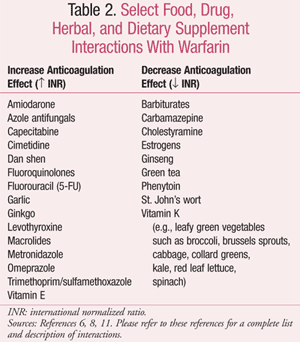
Answer: Decrease effect of Warfarin